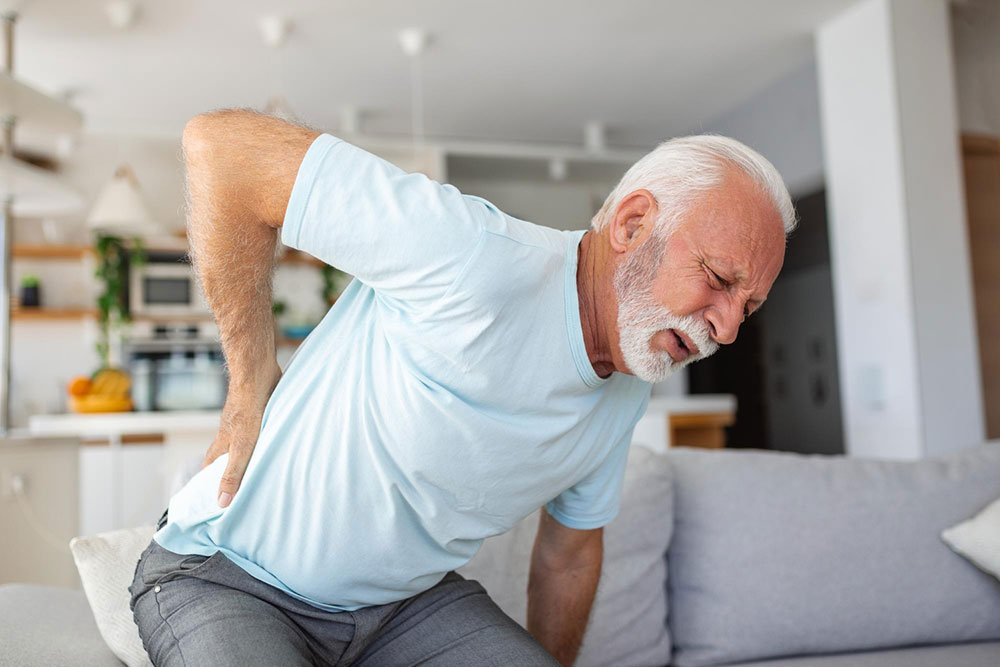
Osteoporosis is often called the silent destroyer of bones. It develops slowly, almost imperceptibly, and often only becomes noticeable after a serious fracture occurs. According to the World Health Organization, about two hundred million people worldwide suffer from osteoporosis, and one in three women and one in five men over fifty experience fractures caused by decreased bone strength.
What makes osteoporosis particularly dangerous is that it progresses with almost no symptoms. A person can live a normal life without realizing that their bones have already become fragile and prone to fractures. Understanding how bone tissue deteriorates, the risk factors, and preventive measures is crucial for maintaining health.
How and Why Bones Become Fragile
Bones are constantly renewing themselves through a process called remodeling: old bone cells break down while new ones form. In youth, the balance between bone loss and formation is usually maintained. After thirty, the rate of renewal gradually slows, especially in women after menopause and in men with declining testosterone levels.
Bone density decreases slowly. In the early stages, there is no pain or limitation of movement. Occasionally, mild fatigue or minor back and joint aches appear, often attributed to tiredness or age.
Bones become fragile for several reasons:
- Calcium and vitamin D deficiency. Calcium is the building block of bones. Its lack slows tissue repair, while vitamin D is essential for calcium absorption.
- Hormonal changes. In women, reduced estrogen after menopause accelerates bone loss. In men, declining testosterone also weakens bones.
- Sedentary lifestyle. Lack of physical activity reduces stimulation of bone tissue, accelerating thinning.
- Smoking and alcohol. Nicotine and ethanol interfere with bone metabolism and slow recovery.
- Certain medications. Long-term use of corticosteroids or some anti-seizure drugs increases osteoporosis risk.
Hidden Signs to Watch For
Although osteoporosis develops silently, there are early warning signs:
- Minor fractures from low-impact falls.
- Loss of height: a decrease of two to three centimeters over several years may indicate vertebral compression fractures.
- Gradual changes in posture: stooping or a rounded back may result from spinal compression.
Statistics and Consequences

Fractures caused by osteoporosis have serious consequences. After a hip fracture:
More than twenty percent of patients die within the first year due to complications.
Almost fifty percent lose the ability to live independently and require long-term care.
Spinal fractures lead to chronic pain, reduced mobility, and decreased quality of life. Studies show that one in two people with osteoporosis experiences a second fracture within five years of the first.
Risk Factors You Can’t Ignore
- Women over fifty
- Men over sixty-five
- People with a family history of osteoporosis
- Those with chronic conditions such as diabetes or thyroid disease
- Individuals with low body weight or insufficient physical activity
Why Prevention Matters
The main danger of osteoporosis is that symptoms appear too late.
Even the most ordinary habits have a powerful impact on your body. Manage your sleep, movement, nutrition, avoid harmful habits, and stay hydrated—you can significantly reduce the risk of chronic diseases.
Prevention and early diagnosis help:
- Maintain bone density and mobility
- Reduce fracture risk
- Preserve activity and quality of life after fifty
Modern research shows that combining physical activity, proper nutrition, and hormonal monitoring can reduce fracture risk by up to forty percent.
Conclusion
Osteoporosis is a silent destroyer that creeps up unnoticed. Understanding how bones deteriorate, recognizing risk factors, and identifying early signs allow timely action to protect your health for many years. Even if you feel completely healthy, remember: your bones may already be weakened.
Awareness and systematic health management help you stay active and minimize the risks of osteoporosis, preserving mobility and quality of life.